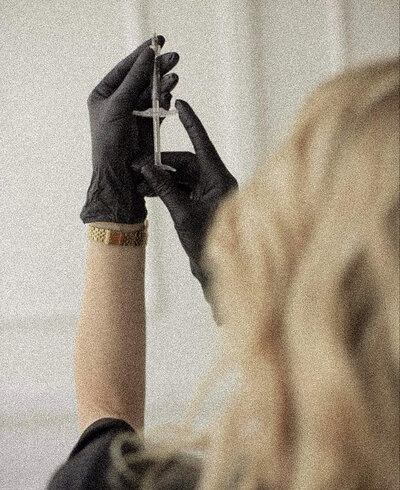
Medical acupuncture is acupuncture performed by a trained medical practitioner, following a thorough medical assessment and diagnosis of a suitably indicated medical problem.
ACUPUNCTURE W DR JESS CHUA
SCROLL TO LEARN MORE

Dr. Chua is a dedicated and compassionate Specialist General Practitioner with a diverse medical background. She began her career in healthcare after earning a Bachelor of Science in Physiotherapy from Curtin University in 2001. Her time as a Physiotherapist at Singapore’s National University Hospital sparked her desire to pursue medicine, leading her to move to Sydney, where she graduated with Honours in Medicine and Surgery from the University of Sydney in 2007.
DR JESS CHUA
| ACUPUNCTURE |
-
Dr. Chua's medical career in hospitals spans over a decade, during which she worked as a Junior Medical Officer in various NSW health districts, including Liverpool, Nepean, Ryde, Hornsby, and Wollongong, gaining experience across specialties such as Orthopaedics, General Surgery, General Medicine, Emergency Medicine, Anaesthetics, and Intensive Care. A pivotal chapter of her career began in 2016 when she joined Médecins Sans Frontières (Doctors Without Borders) in the Middle East, providing medical care in conflict zones until 2018. Inspired by this transformative experience, Dr. Chua pursued specialist training as a Rural Generalist and was awarded Fellowship from the Australian College of Rural and Remote Medicine (FACRRM) in 2022. She is now a fully qualified Rural Generalist, able to work across Australia, including in austere and remote environments. Committed to providing comprehensive care, Dr. Chua furthered her expertise in 2023 by becoming an AHPRA-endorsed Medical Acupuncturist through the Australian Medical Acupuncture College.
With a background in general practice, rural and remote care, physiotherapy and acupuncture, Dr Jess understands at the emotional, psychological and physical level, the effects of pain. By providing acupuncture as a certified practitioner she is well positioned to provide holistic and comprehensive care to her patients.
+ WHAT IS ACUPUNCTURE?
+ HOW DOES ACUPUNCTURE WORK?
+ WHAT CONDITIONS RESPOND TO ACUPUNCTURE?
For any other conditions, please discuss this with Dr Chua at the acupuncture assessment to determine if your condition would respond to acupuncture.
+ IS ACUPUNCTURE THE SAME AS DRY NEEDLING?
+ WILL IT HURT?
You may or may not feel a short sharp pricking sensation when a needle is first inserted. Acupuncture works by stimulating nerves, so a sensation of tingling, warmth, or ache indicates that the treatment is working. These sensations generally settle quickly during the treatment session. It should not feel uncomfortable.
Acupuncture may be performed using a laser device which stimulates acupuncture points with the use of visible red light. Acupuncture laser devices are not high powered so do not heat, or cause tissue damage. You will be offered the use of eye protection during laser acupuncture. This modality may be suitable even if you have a fear of needles.
+ HOW MANY ACUPUNCTURE SESSIONS WILL I NEED?
The initial assessment consult with Dr Chua includes a detailed history, focused examination, and suitable investigations (if needed). Dr Chua will obtain informed consent from you to proceed if you are a suitable candidate for acupuncture.
Western medical acupuncture does not claim to treat every medical condition, nor every individual. It is important to discuss your suitability for acupuncture with your usual doctor or specialist and with Dr Chua.
WANT TO GET STARTED?
BOOK HERE
If you have any investigations that have been done for the specific condition you are seeking acupuncture treatment, you are strongly encouraged to bring the report to your initial consult. A full list of your medical conditions and medications is also needed.
LEARN MORE
BACK TO TOP
Drowsiness may occur after treatment in a small number of patients , and if affected, you are advised not to drive after the session. Fainting can occur in certain patients, particularly in the first treatment. Alternative transport home might be required if this occurs.
After acupuncture treatment, many report a sense of relaxation and a sense of well being. It is, therefore, prudent to pace your activities, being mindful of the limits of your painful condition, to enhance recovery.